Christian practices

Different forms of worship and their significance:
- liturgical, non-liturgical and informal, including the use of the Bible
- private worship
Prayer and its significance, including:
- the Lord’s Prayer
- set prayers and informal prayer.
Worship
Explain two contrasting examples of Christian worship. (4)
2018
- Liturgical forms of worship follow the same set pattern every time / non-liturgical worship has no set form or ritual.
- Liturgical worship is led by a priest, who leads the congregation in prayer (for example) / whereas non-liturgical worship may have an appointed leader or no leader at all.
- Liturgical worship uses set biblical passages (so for example the sermon is usually taken from a specific text) / non-liturgical worship may focus entirely on scripture as the ‘word’ / scriptural passages may be used as the basis for meditation or for informal extempore prayer.
- In liturgical worship, the priest may perform symbolic actions such as those associated with the ritual of the Eucharist / non-liturgical worship may be less structured and symbolic, being charismatic, free-flowing and ‘Spirit-led’.
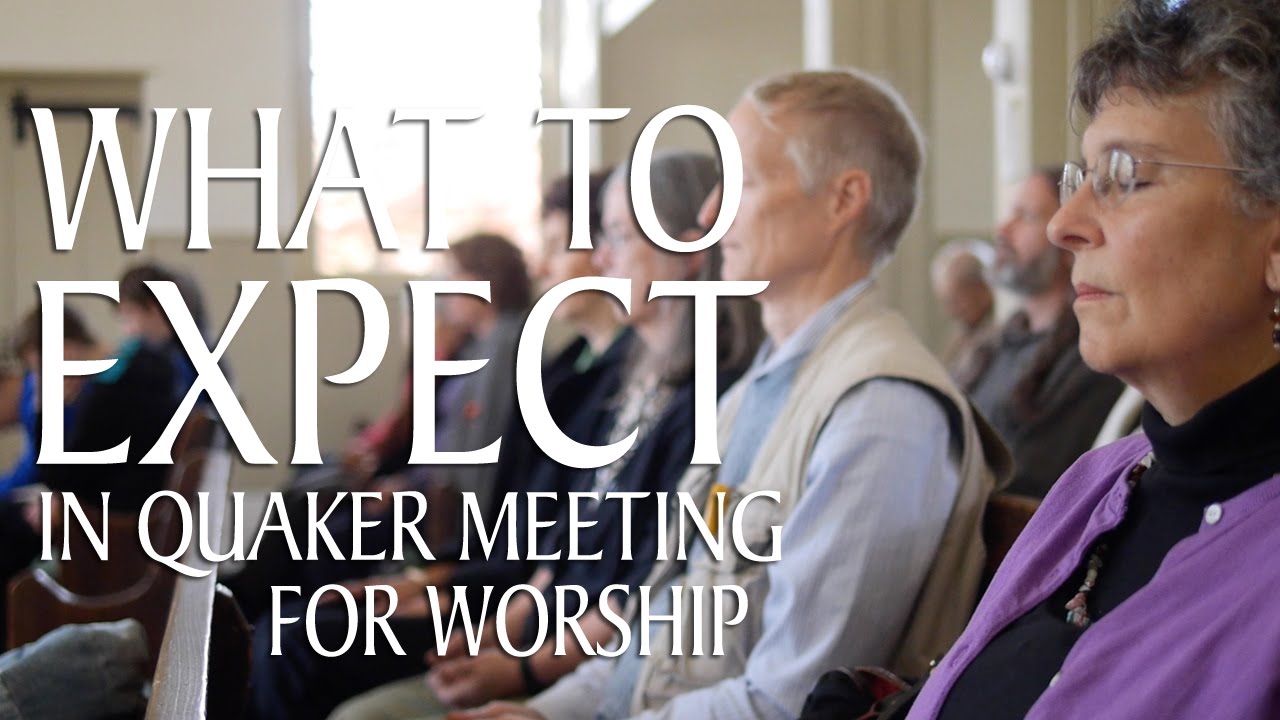
- Quaker worship is often silent / in contrast to charismatic worship or liturgical worship, where worshippers might exercise the spiritual gift of speaking in tongues.
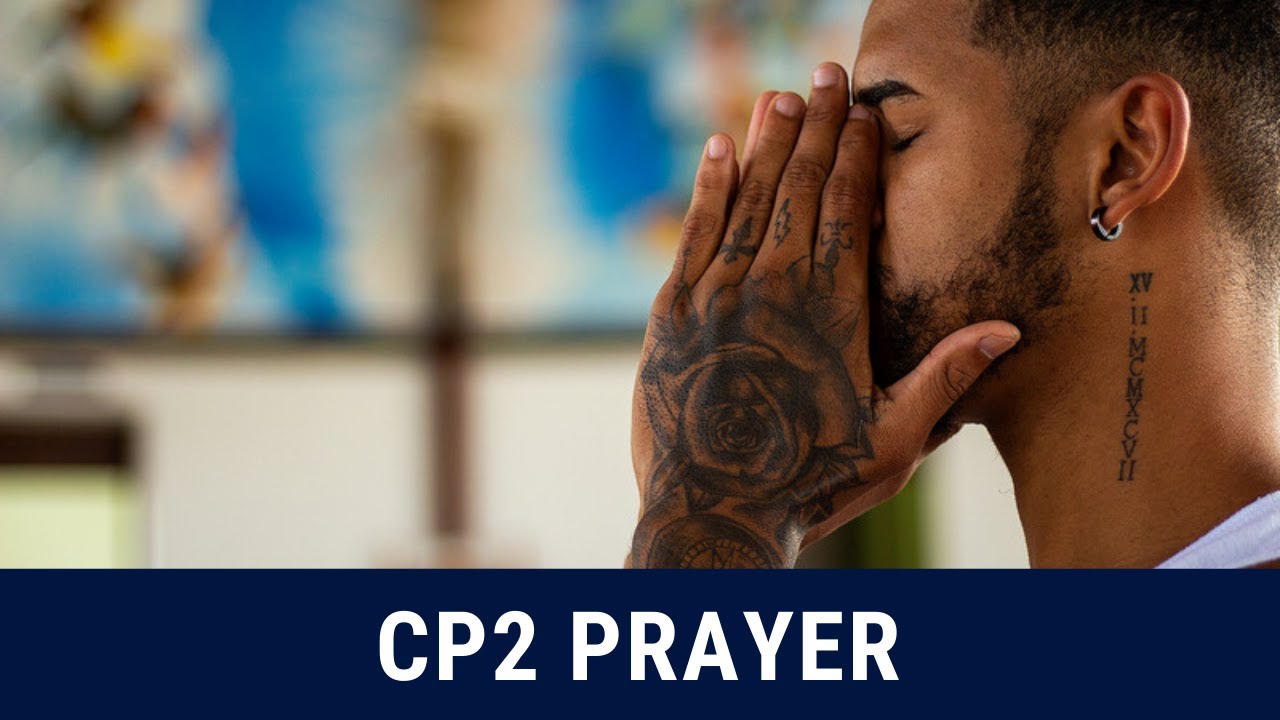
- Private worship might focus on prayer and meditation / contrasting (for example) with worship in the family through saying grace at meals / having bedtime prayer with children / and by Bible study in small groups.
- Private worship which may involve only one individual and no set form of worship may be contrasted with public worship involving people joining together as a community and often a set order, etc.
‘Private worship has more meaning for a Christian than public worship.’ (12)
Spec 2
Arguments in support
- an individual Christian can choose how he or she wants to worship in private/whereas in public worship they have to follow what everyone else is saying and doing/this has more meaning because they can put their heart and soul into it
- it has more meaning because a Christian cannot pretend/or just copy everyone else when they worship in private/it is likely to be real worship
- Jesus told his disciples to pray in private because God would see them/and they wouldn’t be tempted to show off/it will have more meaning because they are following Jesus’ teaching, etc. Arguments in support of other views
Arguments in support of other views
- Christians will feel supported by others when they worship in public / this has just as much (or more) meaning because they are part of a community / they may struggle to worship on their own.
- In private worship Christians may not know what to do or say / but in public worship there will be someone to lead them / this makes sure the worship has meaning.
- Christians need both private and public worship because each has a different meaning / e.g. feeling close to God but also part of God’s people / one does not have more meaning than the other, etc.
'Following a set structure of worship is the best way for Christians to get close to God.’ (12)
2023
Arguments in support
• Worship that follows a set pattern or routine becomes very familiar to worshippers / becomes a tradition over centuries / so they can hope to understand God by repeating the routine and meditating about its meaning.
• The liturgy will generally be led by a priest, and what the priest says and does will help worshippers to understand God / for example in the Catholic Mass, worshippers will become used to the Eucharistic Prayer which uses the words of Jesus at the Last Supper / which helps them to understand that Jesus died in order to save humanity from sin.
• Liturgy enables people in any country to feel part of worship even when language is unfamiliar.
• The Lord’s Prayer is generally used in structured worship, and it contains many pointers to how Christians might understand God, for example: that God’s name is sacred, and that God requires Christians to forgive others who have sinned against them / also the prayer closes with the statement that the kingdom, power and glory all belong to God.
• Some may refer to the different understandings of the bread and wine in the Eucharist, for example those in which the bread and wine are literally Jesus’ body and blood and those in which they express spiritual truths about God / in either case worshippers may experience Jesus as a living presence / gain insight into the nature of God, etc.
Arguments in support of other views
• Liturgical worship may be contrasted with non-liturgical, informal worship / where understanding God is more personal.
• For example house churches are Christian groups who meet to worship in private homes / since they believe that this form of worship is more in tune with the practices of early Christians / where believers hope to understand God through informal (or less formal) prayer and worship.
• Members of house churches and other groups may share their own understanding and inspiration / and many believe that the Spirit is present at such meetings to inspire people to understand God’s wishes.
• In such meetings, people might pray aloud / to share what they think/understand about God / conversely Quaker worship is mainly silent / since different groups have different beliefs about how to understand God.
• Some groups will share their own preferred readings and interpretations of the Bible / since many believe that God can be understood in different ways / and that this understanding depends on how a passage strikes the reader.
• Some aim to understand God through private / informal prayer / since again, this is seen as a more personal attempt to understand God / in which the worshipper can ask God for gifts such as healing or inspiration.
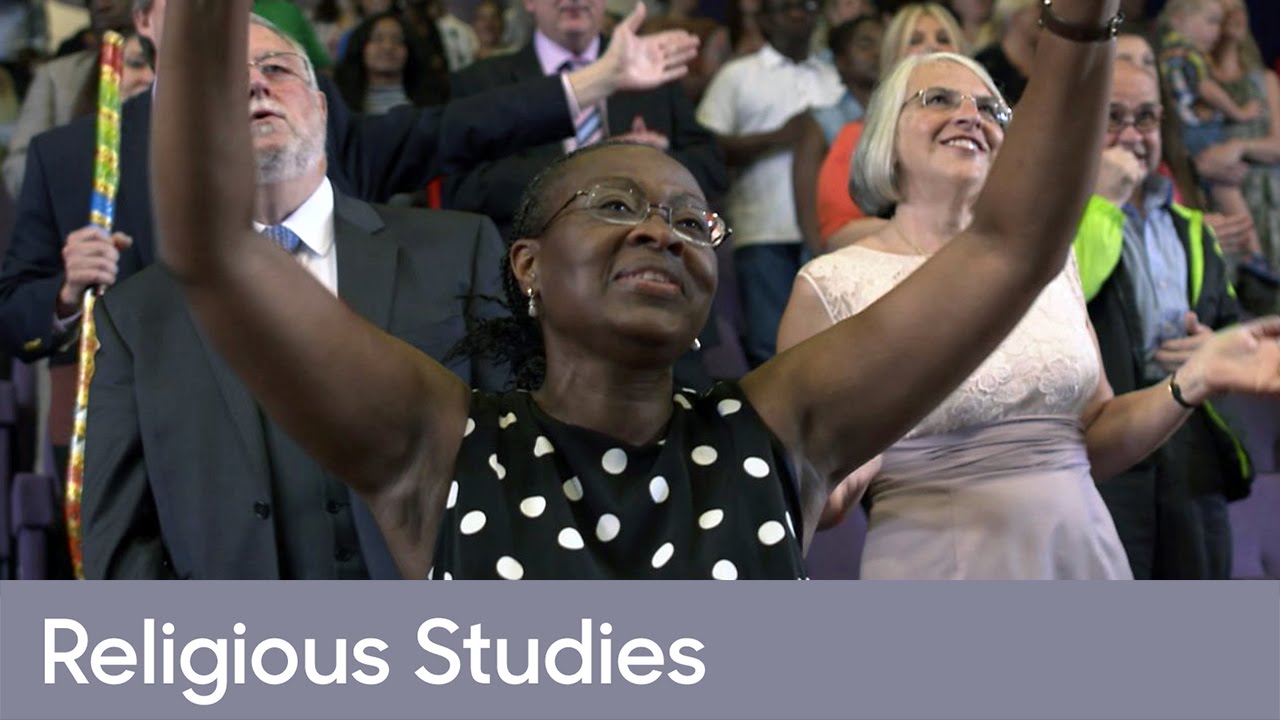
• Some churches aim to reproduce the disciples’ experience of the Spirit at Pentecost / so may sing, dance and speak in tongues in order to understand God in a direct sense / where the emotional impact can produce a variety of different behaviour such as music, dance, calling out / this kind of worship is known as ‘charismatic’ (‘led by the Spirit’) / and in the Pentecostal Churches worshippers will worship like this in large arenas where there will be a ‘laying on of hands’ to effect cures through God’s power.
• Some will use both liturgical and non-liturgical worship / there does not have to be a divide between the two / and much may depend on the situation of the worshipper / understanding God is not just where the worshipper approaches God, but also where God enters the life of the worshipper.
• Some might argue that no one can fully understand God / but they may experience God better with one form of worship or another.
• Some might refer to actions Christians might take to draw closer to God outside of set structures of worship / such as engaging with charitable volunteering or other community work in line with Jesus’ teachings, etc.
Prayer
Give two types of prayer. (2)
2020
• Liturgical / non-liturgical.
• Public / private.
• Prayers of thanksgiving / confession / intercession / formal prayer / informal prayer / prayer which follows ritual formulae / spontaneous prayer / bidding prayers / prayers for specific occasions or people / communal prayer / silent prayer / spoken prayer / sung prayers, etc.
Give two reasons why prayer is important for Christians. (2)
2021
- Prayer is important to Christians because they follow Jesus’ example
- Many examples of Jesus praying – told his disciples to use the Lord’s Prayer (Jesus said)
- Examples of Jesus praying, e.g. Jesus’ last prayer in Gethsemane as a prayer for Christians to meditate upon
- Relief from illness
- Troubled mind – peace
- For friends and family
- Forgiveness
- To thank God before a meal
- Formal, set prayers in worship
- Informal prayer on the spur of the moment
- Brings strength to cope with trouble
- Gives a sense of peace
- A sense of connection with God
- Brings the worshipping community together
- Is appropriate for weddings, baptisms, funerals, etc.
‘The best way for Christians to reach an understanding of God is by practising prayer.’ (12)
Spec 1
Arguments in support
– some forms of prayer are a direct contact between the individual
and God, so their understanding of God is personal to them and not
based on other people’s ideas which could be wrong
– the believer focuses on the feeling of being in God’s presence. This is sometimes described as a feeling of ‘awe and wonder’ at the greatness of God
– God is beyond description because the words get their meaning from the human and natural world around us. So God cannot be understood by reading about him or hearing other people talk about him.
Arguments in support of other views
– not everyone can have this kind of prayer experience so they do not feel the presence of God through prayer
– the Bible as the inspired word of God is his presentation of himself
to human beings, so an understanding of God can come from
reading what he says about himself, or example, the creator of the
world and Father in heaven
– study of nature can also lead to an understanding of God, because
it is God’s creation and God expresses himself through it.
‘The Lord’s Prayer is the only prayer that Christians need to use.’ (12)
2019
Arguments in support
• There are two accounts of the prayer – Matthew 6:7–9 and Luke 11:1–2, and in both Jesus commanded his disciples to use the prayer.
• In Luke 11, the disciples asked Jesus to teach them how to pray as John taught his disciples. Jesus answered: ‘When you pray, say …’ – so Jesus gave a direct command to pray in this way.
• In Matthew 6, Jesus tells his disciples not to heap up empty phrases like the Gentiles do, because they think they will be heard for the number of words they use (v.7) / he then says that God already knows what you want before you ask him (v.8), implying that most prayer is unnecessary / he says: ‘Pray then like this:’ – and the Lord’s Prayer then follows / this looks like a direct instruction to pray using only the words of the Lord’s Prayer.
• The Lord’s Prayer is also said to be the ‘perfect prayer’. For Catholics, it is a summary of the whole gospel, implying that nothing else is needed.
• It is held to be the perfect prayer also because it contains all the necessary ingredients: praise, thanks, confession, and asking God for what both the individual needs and what other people need (students might illustrate this from the text).
• Since it comes directly from Jesus, it links all Christians from all times back to Jesus.
• It can be used both in public and in private worship; in spoken form or in private prayer.
• Most forms of Christian worship include the Lord’s Prayer, etc.
Arguments in support of other views
• There are two versions of the prayer: that of Matthew and that of Luke. They are not identical:
Matthew’s version is longer; so if it really is the only prayer a Christian will need, which form of the prayer should be used?
• The prayer does not appear in Mark’s Gospel, which is generally agreed to be the first written gospel / if it is so important, why does Mark not record it?
• All the Gospels record occasions when Jesus prays using words other than the Lord’s Prayer / so if it is the only prayer needed by Christians, why did Jesus use other prayers?
• For example, Jesus prays at his baptism (Luke 3:21) / before he walks on water (Mark 6:46) / at his transfiguration (Luke 9:29) / and he even prays before he tells his disciples how to pray, in Luke 11:1 / in the Garden of Gethsemane he prays three times to be released from the coming suffering / so prayer on many different occasions and for many different needs is indicated by Jesus.
• Perhaps Jesus saw the Lord’s Prayer as the best general prayer, but accepted prayer of any kind as appropriate.
• A specific other prayer is all that is needed or particularly important, eg the Jesus Prayer.
• Some Christians need to use more than just the Lord’s Prayer; for example Holy
Communion/Eucharist uses many different prayers such as the Gloria and topical prayers.
• Saying a grace/prayer of thanks before meals is important to some Christians, so the Lord’s Prayer is not the only prayer they need, etc.
Resources


Videos