Theme D
Pacifism & victims of war
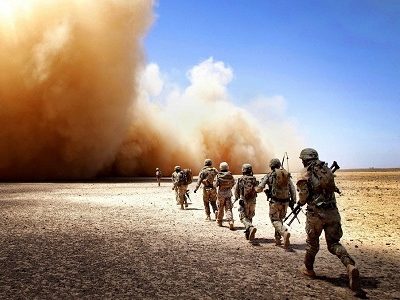
Religion and belief in 21st century conflicts
- Religion and peace-making in the contemporary world including the work of individuals influenced by religious teaching.
- Religious responses to the victims of war including the work of one present day religious organisation.
Pacifism
Give two ways that religious believers can work for peace. (2)
2019
Accept peace on a personal level between individuals eg no hatred, no discrimination, no retaliation / living in a peaceful way, etc
Join a religious organisation that campaigns for peace eg The Anglican Pacifist Fellowship, Religions for Peace, The Muslim Peace Fellowship / follow the example of those who have worked for peace / pray for peace / teach or preach that peace is the better way / take part in a peaceful march / start a petition / write to MPs / write letters to the press / campaign using social media eg Facebook / campaign to change the law / make speeches / educate people about the injustice / fight (campaign) for justice / work for the UN / be a mediator / fight a war to bring peace , etc.
Give two ways in which religious believers might act as peacemakers. (2)
2024
Encourage reconciliation / mediate / protest against war / show forgiveness / become a pacifist / join a peace-making organisation / participate in truth and reconciliation / build harmony and relationships / encourage respect between peoples / become a medic in wartime rather than fighting / work for the Red Cross and Red Crescent / run centres like Corrymeela / believers can follow their religious teachings / pray or meditate / evangelise for peace / through their chosen career, etc.
Explain two similar religious beliefs about pacifism. (4)
Spec 2
Students may include some of the following points, but all other relevant points must be credited:
• pacifism is right because war can never be justified. This is because Buddhists support the idea of ahimsa (not harming a living thing)/religious believers support the idea of the sanctity of life, etc
• pacifists believe that all killing is wrong. This is because religions have laws such as ‘do not kill’ and so will not fight eg Quakers, etc
• some Christians believe that war is the sometimes the best option and would not support being a pacifist. For example, they would fight in a ‘Just War’ or to stop genocide taking place, etc.
Christianity
Pacifist Christians believe they are following the example of Jesus/‘turn
the other cheek’/‘do not kill’/some Christian pacifists assist the war
effort in non-combat roles/Quakers are pacifists/just war may justify
fighting/sometimes it is better to fight to save lives and protect a country
or way of life (eg WW2), etc.
Judaism
Shalom (Peace be upon you) is main Jewish greeting/truth justice and peace keep the world safe/Jews look forward to time of peace because they have suffered greatly in history, eg the Holocaust/‘do not kill’/Jews will fight if it promotes greater good and in self-defence, etc.
Explain two contrasting religious beliefs in contemporary British society about pacifism. (4)
2020
Some people in Britain today believe that pacifism is right because killing can never be justified / religious believers support the idea of the sanctity of life / God gives life-only God should take it so it is wrong to fight in a war in which people will be killed / religions have laws such as ‘do not kill’ and so some will not fight, etc.
Some believe that war is the sometimes the best option and would not support being a pacifist / they would fight in a ‘Just War’ or to stop genocide taking place, etc.
Christianity
Pacifist Christians believe they are following the example of Jesus / ‘turn the other cheek’ / ‘do not kill’ / some Christian pacifists assist the war effort in non-combat roles / Quakers are pacifists / Jesus taught ‘Blessed are the peacemakers’ / just war may justify fighting / sometimes it is better to fight to save lives and protect a country or way of life (eg WW2), etc.
Judaism
Shalom (Peace be upon you) is main Jewish greeting / truth, justice and peace keep the world safe / Jews look forward to time of peace because they have suffered greatly in history, eg the Holocaust / commandment ‘do not kill’/ Jews will fight if it promotes greater good and in self-defence, etc.
Explain two similar religious beliefs about peace-making. (4)
2021
Most religions teach that conflict should be settled in a peaceful way if at all possible so peacemaking is important / peace-making is important whether it is between individuals, groups or nations / war brings devastation so negotiations are much better / reconciliation is better than violence / working for peace may result in bringing about forgiveness and understanding / Religions for Peace is a worldwide organization promoting alternatives to war / peace is not just an absence of war; it is also a sense of wellbeing and security which needs to be promoted, etc.
Christianity
“Blessed are the peacemakers, for they shall be called children of God” – Matthew 5:9 / pacifist Christians believe they are following the example of Jesus / ‘turn the other cheek’ / ‘do not kill’ / some Christian pacifists assist the war effort in non-combat roles such as Quakers who are pacifists / Anglican Pacifist Fellowship (APF) founded the Week of Prayer for World Peace / Mairead Corrigan and Betty Williams awarded the 1976 Nobel Peace prize, etc.
Judaism
Shalom (Peace be upon you) is main Jewish greeting / truth justice and peace keep the world safe / Jews look forward to time of peace because they have suffered greatly in history, eg the Holocaust / Micah 4:3 / ‘do not kill’ / Dr. Marshall Rosenberg founder of the Centre of Nonviolent Communication / believe in developing good relationships with others and working together on joint projects to make conflict less likely, etc.
‘Religious believers should never fight in a war.’ (12)
2019
Arguments in support
• Religions teach that war is an evil which should be avoided as it kills innocent civilians and ruins the environment.
• Religions teach their followers to work for peace so it is hypocritical to fight in war.
• Wars are fought because of motives like greed and wanting more power or land or to impose beliefs on other people which is not what religions teach.
• Disputes should be settled in other ways eg negotiations, through the United Nations, trade sanctions. / There have to be better ways of solving a dispute as war creates more problems than it solves.
• Goes against the religions’ golden rules and peace is priceless.
• Religions teach forgiveness and overcoming evil with goodness / examples of believers who have advocated overcoming injustice in peaceful ways include Martin Luther King, The Dalai Lama, Gandhi, etc.
Arguments in support of other views
• Sometimes it is seen as right for religious believers to fight if there is a just reason for a war / accept Just War conditions eg just cause / lawfully declared by proper authority / good intention / last resort / reasonable chance of success / fought by just means / the good achieved will outweigh the evil / avoidance where possible of injury to civilians / protect trees, crops and animals / need to overthrow a cruel dictator / stop genocide or other atrocities / bring freedom to a country / defend faith / self-defence.
• May be classified as a Holy War eg fighting to protect their religion.
• May be seen as the only way to bring peace in the end.
• Could be seen as the lesser of two evils such as the only way to destroy weapons of mass destruction and / or stop genocide or an aggressive regime, etc.
Christianity
While the Christian Church may speak out against killing and Jesus said “Blessed are the peacemakers”, many Christians are prepared to fight for their country or religion against evil / St. Augustine and Thomas Aquinas developed the criteria for the Just War theory / Jesus used violence in the Temple to throw out those who were exploiting the pilgrims / other Christians are pacifists eg The Quakers (Society of Friends) and will not fight under any circumstances / the Ten Commandments include ‘Do not kill’ / many in the early Church were against fighting, etc.
Judaism
Many Jewish believers do join the armed forces / many Jews believe in pre-emptive strikes to overcome evil / many stories of war heroes in the Tenakh eg Joshua, Samson, King David and Gideon / some wars are regarded as obligatory, others defensive wars and others optional wars / no specific Just War theory in Judaism but many accept the Just War theory criteria / many suffered during the Holocaust and many Jews believe it right to stand up against evil wherever it occurs / ‘Whoever sheds the blood of man, by man shall his blood be shed; for in His image did God make man – Genesis 9:6 / The Ten Commandments – ‘Do not kill.’ / Jews hope for peace in the future – Micah 4:3, Isaiah 9:6–7 / promote peace-making where possible, etc.
‘Being prepared to fight a war is the best way to keep the peace.’ (12)
2022
Arguments in support
• Religious teachings support legitimate governments including, for example, preparing for self defence.
• If a country is prepared for war potential enemies will not see the country as an easy target.
• Individuals should be willing to fight if called upon as the threat of retaliation will discourage potential attacks.
• The presence of a strong military force acts as a deterrent as others will think twice about attacking.
• If attacked then there is the capability of defending the country and repelling the attacker and bringing about peace.
• Having nuclear weapons has prevented a major war since 1945.
• Protecting the vulnerable is a religious duty, etc.
Arguments in support of other views
• Even to prepare for war would go against some people’s religious principles eg preparing to take life.
• Having strong military capabilities may result in the country deciding to attack another country and starting a war.
• Power hungry leaders may become overconfident and listen to their military commanders and decide to fight.
• Just having people willing to fight and a strong military force doesn’t mean that a country will not decide never to engage in war as they may feel that war is necessary to solve a dispute or put right a perceived injustice.
• Better to have no army or military as then there is no danger of the country starting a war.
• There are other better ways of keeping the peace, eg talking to one another or praying for divine help or being peaceful oneself are better ways to maintain peace rather than relying on military force, etc.
Christianity
Many Christians have been prepared to join the armed forces although they wish for peace / other Christians do not support being part of the military as they are pacifists eg Quakers but believe that negotiations would be more effective than being ready for war / Isaiah looked forward to the day when there would be no more war – Isaiah 2 : 4 / “Blessed are the peacemakers” Matthew 5:9 / Christians who believe in the Just War theory, begun by St. Augustine and developed by Thomas Aquinas, may well support the idea of having a military capabilities to act as a deterrent to prevent war / as a last resort if negotiations and if all avenues fail then it may be right to go to war / “if you don’t have a sword, sell your cloak and buy one” Luke 22 : 36, etc.
Judaism
Throughout history Jews have had many conflicts to gain territory and settle disputes / although having a desire for peace the history of the Holocaust and hostilities since 1948 has motivated the Jews in Israel to be ready and prepared for war / Israelis have seen some of their neighbours as threatening their security and that relative peace can only be maintained by having a strong military presence / rocket attacks and occasional attempted invasions on Israel have taken place but haven’t been very successful and a somewhat uneasy peace is maintained / peace talks have also
had limited success, etc.
Victims of war
Give two ways in which religious believers help victims of war. (2)
Spec 2
Provide food and shelter; medical help; help to rebuild their lives; work to create peace.
Give two ways victims of war are helped by religious organisations. (2)
2022
Victims may be helped financially / given moral and spiritual support by the organisation / helped to find employment / provided with shelter / provide food / provide facilities in their homes / counselling support / families helped / given prayer support / giving charity / taking in refugees / aid convoys / medical treatment given and paid for / mental health support / provision of legal assistance / assist with visa applications / provide translators / through brokering peace, etc.
Explain two reasons why religious people help victims of war. (5)
2019
Religions are about compassion and helping people in need / many victims of war are in a state of absolute need, eg no home / the Golden Rule of ‘Treat others as you would be done by’ / because many victims of war are unable to find employment because of their injuries / because many victims of war may need specialist medical care / because many victims of war have emotional wounds and long term problems / a moral imperative to help those who are victims of war / a sense of needing justice for those who are victims of war / because they may have a job which involves helping victims of war, eg nurse / personal experience, etc
Christianity
Jesus had compassion for those in need / Matthew 22v39: ‘Love your neighbour’ / the Parable of the Good Samaritan (Luke 10:25–37) / Parable of the Sheep and Goats encourages Christians to provide food and shelter for those in need / Christians organisations like Caritas and Christian Aid help victims of war / Christian Aid operates under the slogan ‘We believe in life before death’ / many believe that it is their Christian duty to raise funds to help those suffering the consequences of war,
including the families of those who are killed, etc.
Judaism
The work of some Jewish organisations is based on the Jewish principles of pikuach nefesh, saving a life, and tikkun olam, healing the world / Proverbs 25v21: ‘If your enemy is hungry, give him something to eat; if thirsty, something to drink.’ / The Talmud: “What is harmful to yourself do not to your fellow men” / the mission of Magen David Adom UK includes providing medical care and treatment for people of any nationality, race, religion, ethnic origin, age, disability, sexual orientation, or political affiliation, including all victims of conflict, etc.
Explain two religious beliefs that encourage people to help victims of war. (5)
2025
Religions teach compassion and helping people in need / the Golden Rule of ‘Treat others as you would be done by’ / victims of war should be helped as they may be unable to find employment because of their injuries / may need specialist medical care / some have emotional wounds and long term problems, and so need help, etc.
Christianity
Jesus had compassion for those in need / Matthew 22v39: ‘Love your neighbour’ / the Parable of the Good Samaritan (Luke 10:25–37) / Parable of the Sheep and Goats encourages Christians to provide food and shelter for those in need / Christian organisations like Caritas and Christian Aid help victims of war / Christian Aid operates under the slogan ‘We believe in life before death’ / many believe that it is their Christian duty to raise funds to help those suffering the consequences of war, including the families of those who are killed, etc.
Judaism
The work of some Jewish organisations is based on the Jewish principles of pikuach nefesh, saving a life, and tikkum olam, healing the world / Proverbs 25v21: ‘If your enemy is hungry, give him something to eat; if thirsty, something to drink.’ / The Talmud: “What is harmful to yourself do not to your fellow men” / the mission of Magen David Adom UK includes providing medical care and treatment for people of any nationality, race, religion, ethnic origin, age, disability, sexual orientation, or political affiliation, including all victims of conflict, etc.
Videos