EASTER 2026
Hello there, everyone. The GCSE is only weeks away now, and Easter revision is what makes the key difference. We’ve tried to help you here by selecting tasks that cover the main areas most likely to come up in the exam. We would really encourage you to complete as many of these as you can. These tasks should take around 20–25 minutes each, and you should aim to complete at least 16 of them – this is the equivalent of the lessons you would have if you were in school.
You need to watch the following videos:
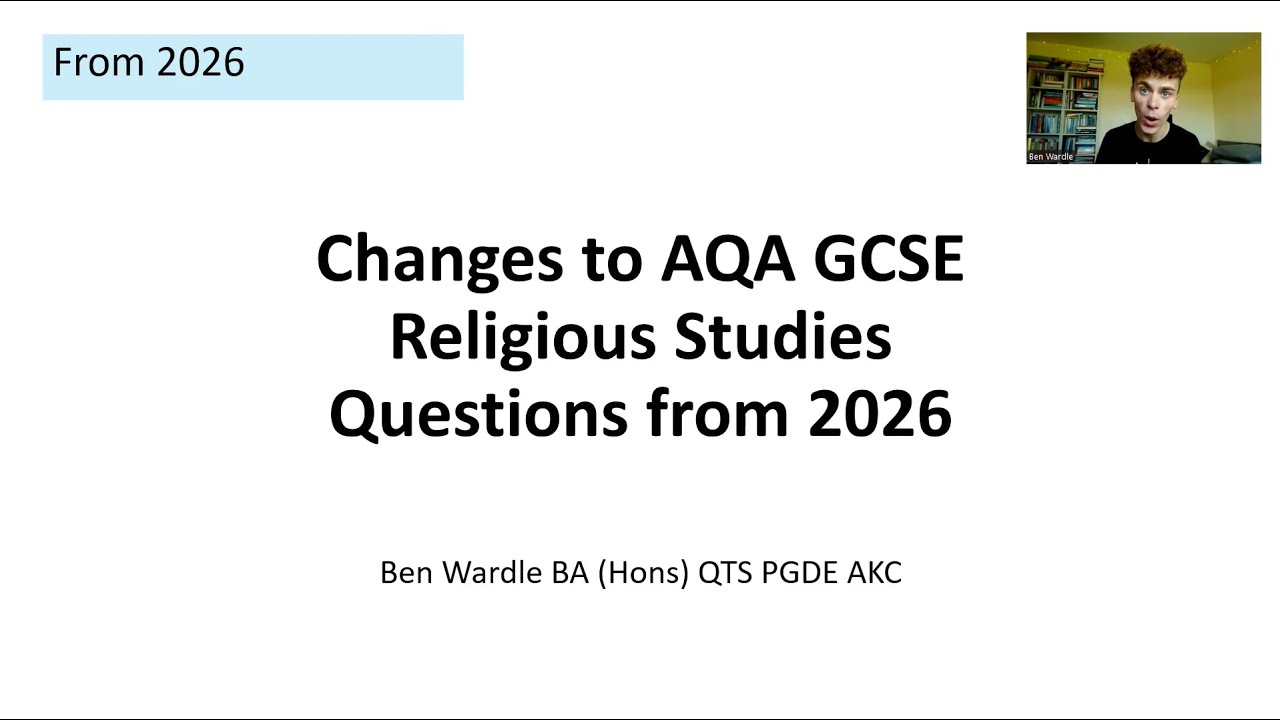
Changes to your exam 2026 and the 6 marker question.
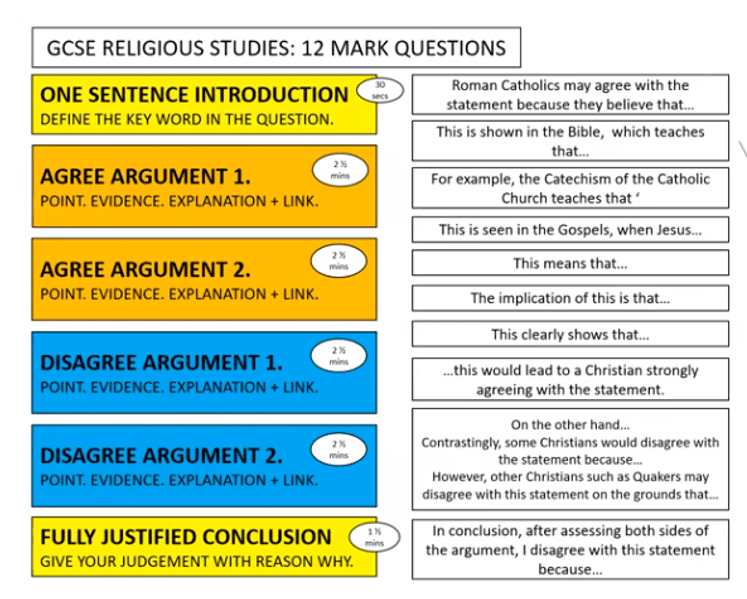
How to answer a 12 mark question. (click picture)
Judaism beliefs & teachings
Need to know
Jews believe in one God who is all-powerful, all-knowing and the creator of the world. God is also law-giver and judge, and His presence (Shekhinah) is felt in the world. Key beliefs include the Covenant with Abraham and Moses, following the mitzvot, and moral principles like justice and the sanctity of life. Many Jews also believe in life after death and a future Messiah. It is vital to understand the importance of the Covenant and living according to God’s laws.
The Key Moral Principles
They have only asked one 12 mark question on key moral principles (2021), so this is important to revise.
Copy out, or complete this question in your book:
“The moral principle of justice teaches Jews all they need to know about the way they should live.”
Evaluate this statement. [12 marks ]
- Attempt without notes
- Then correct in purple pen
- https://thersteacher.com/home2022/judaism/jbt-moses-principles/
Revision Cards: Make three revision cards (or a mind map):
- Justice
- Healing the World (Tikkun Olam)
- Kindness to Others (Chesed)
Each card should include:
- What the principle is
- A Bible quote
- One example of how a Jew could follow it
Use the answers from the past questions to help you.
Life after death and the resurrection
This topic confuses a lot of students. It has come up 3 times in the last 8 years, so it is likely to come up again.
Important:
- Jews may use the word resurrection, meaning: ‘life after death.’
- This does NOT mean Jesus’ resurrection
- Do NOT mention Jesus in this topic
Task 1 – Understand the topic
- Watch Mr Wood’s video OR GCSE Pod: https://www.youtube.com/watch?v=VbV3hjssbVM
- Make notes on different Jewish views about life after death
Task 2 – Use past questions to help you create a mind map of:
- Different views of life after death
For each view include:
- What the belief is
- A Bible quote (Tenakh)
- Evidence to support it
This could be a 6 marker, so you need:
- A clear explanation
- Evidence (quote or reference to the Tenakh)
Task 3: Copy out and complete this question:
“The resurrection is not an important Jewish belief.” Evaluate this statement. [12 marks] Specimen Paper 1
- Attempt without notes
- Then correct in purple pen
https://thersteacher.com/home2022/judaism/jbt-judge-life-after-death/
Free will & the Mitzvot
The mitzvot are how Jews live their lives. You need to be able to explain how these rules affect Jewish life and how Jews follow them.
You must know:
- What the mitzvot are
- The difference between mitzvot between man and God and man and man
- Whether Jews have free will to follow them
This topic is important because it links beliefs to how Jews live.
Copy out and complete both questions:
“Jews do not have to follow all of the mitzvot (Jewish laws).” Evaluate this statement. [12 marks] 2018
“For Jews, the most important mitzvot are those between man and God.” Evaluate this statement. [12 marks] 2019
- Attempt without notes
- Then correct in purple pen
Find the answers here: https://thersteacher.com/home2022/judaism/jbt-sanctity-free-will/
The covenants with Abraham & Moses
There are two key covenants you need to know: Abraham and Moses. Students often mix these up, so you must know the difference.
You must know:
- What the covenant with Abraham is and the sign of it (circumcision)
- What the covenant with Moses (Sinai) is and the Ten Commandments
- How each covenant influences Jews today
There has never been a 12 mark question on Abraham, so this could come up.
Task 1 – Abraham – https://thersteacher.com/home2022/judaism/jbt-messiah-abraham/
Look at the 4 and 5 mark questions on Abraham.
- How Jews are influenced by Abraham
- What Jews do as a sign of the covenant
Make a mind map / revision card on Abraham:
- Covenant with one God
- Sign = circumcision
- Promise of the Holy Land
- Influences identity and belonging
Task 2 – Moses – https://thersteacher.com/home2022/judaism/jbt-moses-principles/
Look at the questions on Moses.
- How the Ten Commandments influence Jews today
- What is the most important part of the covenant
Make a mind map / revision card on Moses:
- Covenant at Sinai
- Ten Commandments
- Laws for how to live
- Influences daily life and behaviour
Task 3 – 12 mark practice
A possible question:
“The covenant with Moses is more important than the covenant with Abraham.”
Evaluate this statement. [12 marks]
- Plan how you would answer it
Judaism practices
Need to know
Jews worship in the synagogue and at home, with prayer (including the Amidah) central to daily life. Shabbat is a weekly day of rest, and festivals like Rosh Hashanah, Yom Kippur and Pesach remember key events. Life cycle rituals such as Brit Milah and Bar/Bat Mitzvah, and dietary laws (kosher), guide everyday living. The most important thing to understand is that these practices help Jews follow God’s laws and build their relationship with Him.

The synagogue
You need to know what happens in a synagogue, what is inside it, and why it is important.
You must know:
-
Different names for a synagogue
-
What happens there
-
What is inside and why it is important
Task: Watch the video (below)
Look at past questions to find:
-
Names for the synagogue
-
Items found in the synagogue
-
What happens in a synagogue
Make a mind map or revision cards:
-
List everything found in a synagogue
-
Explain what each item is
-
Explain why it is important
You can use the website or your revision guide to help you: https://thersteacher.com/home2022/judaism/jp-synagogue-services/
This will take time if done properly.

Prayer
There have been very few questions on prayer, so this is an important topic to revise.
You must know:
-
The different types of prayer
-
Prayer in Orthodox services
-
Prayer in Reform services
-
The role of prayer in Jewish life
Task
Use the page 15 in your Judaism Practices revision guide (or link below), the online textbook and GCSE pod.
Make four revision cards:
-
Key prayers
-
Prayer in Orthodox services
-
Prayer in Reform services
-
Role of prayer in Jewish life
Use past questions to help you: https://thersteacher.com/home2022/judaism/jp-synagogue-services/
Prayer need to know – click here
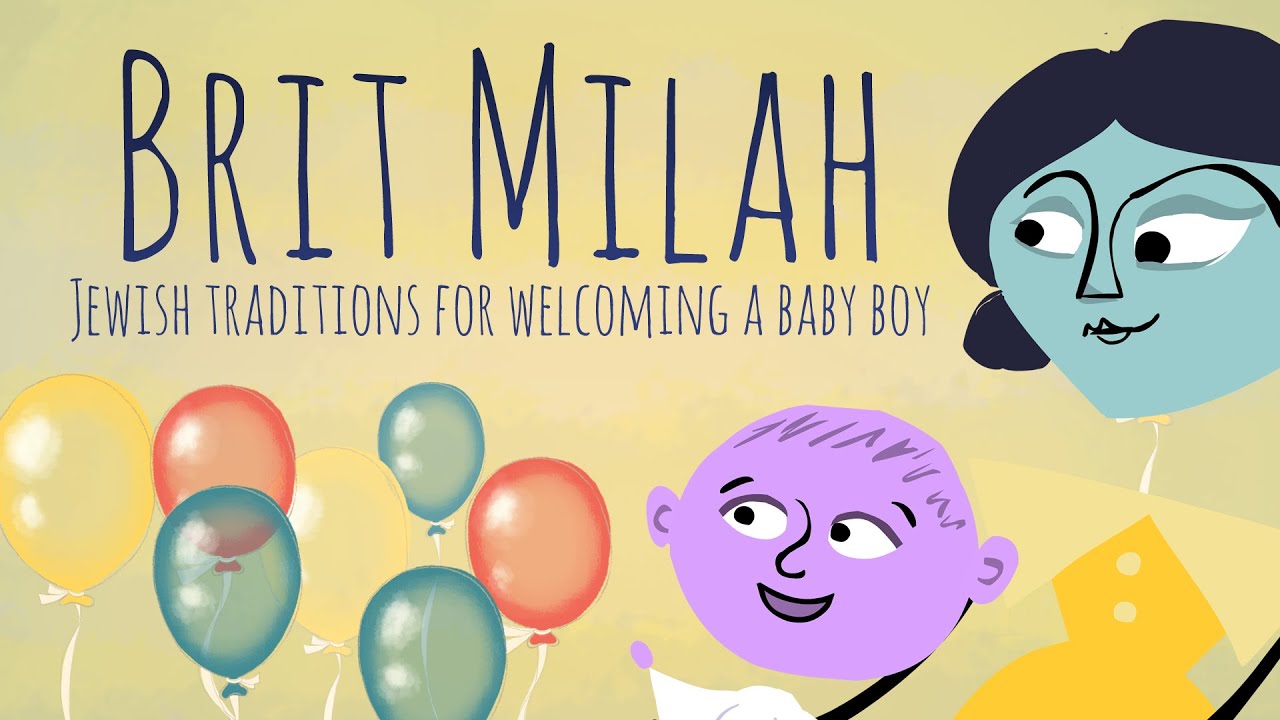
Brit Milah and Bar / Bat Mitzvah
Rites of passage are very important in Judaism. They have come up very rarely in exams, so this is likely to come up.
Task 1 – Birth
Look at past questions. https://thersteacher.com/home2022/judaism/rites-of-passage/
Make a revision card on birth:
- What happens in the ceremony
- What the symbolism is
- Why it is important
- What it means for those involved
Task 2 – Bar/Bat Mitzvah
Look at past questions.https://thersteacher.com/home2022/judaism/rites-of-passage/
Make a revision card on Bar/Bat Mitzvah:
- What happens in the ceremony
- What takes place
- Why it is important
You must be able to explain both clearly for exam questions
Below are short videos explain them.

Weddings and Mourning
Continue your revision from the previous task.
Task 1 – Marriage
Look at past questions. https://thersteacher.com/home2022/judaism/rites-of-passage/
Make a revision card on marriage:
- What happens in the ceremony
- What the symbolism is
- Why it is important
- What it means for those involved
Task 2 – Mourning (death)
Look at past questions.https://thersteacher.com/home2022/judaism/rites-of-passage/
Make a revision card on mourning:
- What happens
- What takes place
- Why it is important
Here are some short videos explaining both:
Christian beliefs & teachings
Need to know
Christians believe in one all-powerful, loving God who created the world. They believe in the Trinity (Father, Son and Holy Spirit), and that Jesus is God in human form (the incarnation). His crucifixion, resurrection and ascension are central, as they bring salvation and overcome original sin. Christians also believe in judgement and the afterlife (heaven and hell). It is vital to understand who Jesus is and why he died.
Incarnation & Crucifixion
Hopefully you remember that the life of Jesus is split into four key aspects:
- The Incarnation
- The Crucifixion
- The Resurrection
- The Ascension
There is always a question on at least one of these in the exam, so you must revise all four.
In this module, we will focus on:
The Incarnation and The Crucifixion
The easiest way to test your knowledge is to use the revision sheets provided in the resources section:
- One blank sheet on the Incarnation and one on the Crucifixion
https://thersteacher.com/home2022/christianity/cbt-incarnation-crucifixion/
- Complete both sheets from memory only (no notes).
- Use the exam questions above and copy/model your answers from them
- Remember: exam answers show exactly what examiners are looking for
If you are struggling to understand:
- Watch the videos provided below
Key Reminder:
Your revision should always be based on real exam answers, as these match the mark schemes and examiner expectations.
The Resurrection and the Ascension
As with the Incarnation and Crucifixion, you must also know:
- The Resurrection
- The Ascension
Your Task
https://thersteacher.com/home2022/christianity/cbt-resurrection-ascension/
- Go to the link and complete both blank sheets from memory
- Then check your answers using the mark schemes
Extra Support
- Watch the videos below, by Mr Wood, to help your understanding
Do you understand 'sin'?
It is vital that you are able to understand how sin came into the world, why we are born with sin, and the consequences of sin on our lives.
Take a look at the questions related to sin on this page: https://thersteacher.com/home2022/christianity/cbt-jesus-role-salvation/
Answer these questions:
Explain two Christian beliefs about the causes of sin. (5) and
Explain two Christian teachings about sin. (5)
The BIG ONE
You MUST to able to explain why Jesus died.
What was his role in salvation?
How are we ‘saved’?
Do you understand atonement.
Complete:
‘Belief in Jesus is all that Christians need to be saved from sin.’ (12): https://thersteacher.com/home2022/christianity/cbt-jesus-role-salvation/
and
Explain two Christian beliefs about the role of Jesus Christ in salvation. (5)
Here is a great video from Mr Wood explaining it for you: https://www.youtube.com/watch?v=wq_Yjregb38&t=392s
Christian practices
Need to know
Christians show their faith through worship, prayer and the sacraments, such as baptism and Holy Communion. They celebrate important festivals like Christmas and Easter, and follow different styles of worship (liturgical and informal). The Church also plays a key role in the local and worldwide community through charity, mission and helping others. It is vital to understand how these practices show a Christian’s faith in action.

Festivals
Make a revision card on Christmas:
- What happens during the festival
- What the key events are (e.g. Nativity)
- What the symbolism is
- Why it is important for Christians
- What it teaches about beliefs (e.g. incarnation)
Make a revision card on Easter:
- What happens during the festival
- What the key events are (e.g. crucifixion and resurrection)
- What the symbolism is
- Why it is important for Christians
- What it teaches about beliefs (e.g. salvation and life after death)
Use the answers given in these questions to help you, and ensure you can answer the questions:
https://thersteacher.com/home2022/christianity/cp-pilgrimage-festivals/
Baptism
Holy Communion
You need to understand:
- How Holy Communion takes place
- What happens during a communion service
- What it represents
- Why it is important
- Why it is central to the Christian faith
Holy Communion (also called the Eucharist) is a sacrament that commemorates Jesus’ Last Supper. It involves bread and wine, which symbolise (and for some Christians become) the body and blood of Jesus.
Go to:
https://thersteacher.com/home2022/christianity/cp-baptism-and-communion/
Answer the questions on this webpage.
These questions include:
-
Explain two contrasting ways in which the Eucharist (Holy Communion) is celebrated in Christianity. (4)
-
Explain two reasons why celebrating Holy Communion/Eucharist is important for many Christians. (5)
These questions could be worded differently in the exam. For example:
- Explain two reasons why the Eucharist is significant for Christians today
- Explain two contrasting ways Christians celebrate the Eucharist
- Explain two ways belief in the Eucharist influences Christians
Although the wording changes, the answers you need are the same.
Make a revision card or mind map that would enable you to get 100% on all Communion questions.
You should include:
- What happens during a service
- Key symbols (bread and wine)
- Different Christian views (e.g. Catholic and Protestant)
- Why it is important (community, forgiveness, remembrance, salvation)
- Key vocabulary (sacrament, Eucharist, transubstantiation)
Use the 12-mark question from the webpage to help you decide what knowledge to include in your mind map or revision card.
Focus on including:
- Arguments for
- Arguments against
- Christian teachings
- A clear conclusion
Final Check
By the end of this task, you should be able to:
- Answer any 2, 4 or 12 mark question on Holy Communion
- Explain differences between Christian beliefs
- Apply your knowledge to any exam wording
Worship & Prayer
Go to:
https://thersteacher.com/home2022/christianity/cp-worship-prayer/
Answer the questions on this webpage.
These questions could be worded differently in the exam. For example:
- Explain two reasons why prayer is significant for Christians today
- Explain two ways the Lord’s Prayer influences Christians
- Explain two contrasting forms of worship
- Explain two ways Christians communicate with God
Although the wording changes, the answers you need are the same.
Revision Creation (20 minutes)
Make a revision card or mind map that would enable you to get 100% on all prayer and worship questions.
You should include:
- Types of worship (liturgical, non-liturgical, informal, private)
- Types of prayer (set and informal)
- The Lord’s Prayer (key meanings and phrases)
- Why prayer is important (guidance, forgiveness, relationship with God)
- Examples of how Christians pray
Use the 12-mark question from the webpage to help you decide what knowledge to include in your mind map or revision card.
For example:
‘Prayer is the most important way of gaining an understanding of God.’ Evaluate this statement. (12 marks)
Focus on including:
- Arguments for
- Arguments against (e.g. Bible, worship, sacraments)
- Christian teachings
- A clear conclusion
Final Check
By the end of this task, you should be able to:
- Answer any 2, 4 or 12 mark question on prayer and worship
- Explain different forms of worship clearly
- Apply your knowledge to any exam wording

Theme A

Theme B
Theme D
Theme E
For this Themes paper, you will be studying Theme A: Relationships and families, Theme B: Religion and life, Theme D: Religion, peace and conflict, and Theme E: Religion, crime and punishment. You must be familiar with key Bible teachings, important concepts, and different arguments and viewpoints across all of these themes.
Theme A
NEW EXAM FOCUS (6 MARK QUESTIONS)
AQA are now moving towards 6 mark “explain” questions instead of 5 marks.
This means you must give clear, developed points AND link them to religious teaching throughout, not just add a quote at the end.
Example 6 mark question (Sexuality – Homosexuality)
Explain two Christian beliefs about homosexuality. Refer to scripture or sacred writings in your answer. (6 marks)
Model answer
One Christian belief is that homosexual relationships are wrong because the Bible teaches that sex should only take place within heterosexual marriage. For example, On the book of Leviticus it states that sexual relations between two men are sinful. This shows that some Christians believe homosexuality goes against God’s plan for human relationships.
Another Christian belief is that homosexuality should be accepted because God loves everyone equally. The Bible teaches “love your neighbour”, which means Christians should not discriminate. This shows that some Christians support homosexual relationships if they are loving and committed – The 6 mark bit.
This answer would reach 6 marks because both beliefs are clearly explained, developed, and linked to Christian teachings throughout.
Your structure for 6 marks
Point
Develop
Link to teaching
Point
Develop
Link to teaching
Go to https://thersteacher.com/home2022/themes-landing/theme-a/ to practise 5 mark questions and check your understanding, then apply the same structure to these 6 mark questions.
Contraception
Explain two contrasting beliefs in contemporary British society about the use of contraception. (6 marks)
Families
Explain two religious beliefs about the purpose of families. (6 marks)
Marriage
Explain two religious beliefs about the nature of marriage. (6 marks)
Theme B
Theme B – 6 Mark Question Practice
New exam expectation:
For 6-mark “Explain two…” questions, you must write developed answers. This means each point should be clearly explained and linked to religious teachings (e.g. Bible quotes or beliefs) to access full marks .
1. Example 6-Mark Question
Explain two religious beliefs about animal experimentation.
Refer to sacred writings or another source of religious belief and teaching in your answer. (Adapted from Specimen)
2. Model Answer (with marks shown)
One belief is that animal experimentation can be acceptable if it helps to save human lives (1). This is because humans are seen as more important than animals, as they are made in the image of God (2), so using animals to develop life-saving medicines can be justified (3).
Another belief is that animal experimentation is wrong because it causes suffering to animals (4). Christians believe they have a duty of stewardship, meaning they should care for animals and avoid cruelty. (5), Therefore, many Christians believe unnecessary testing (such as cosmetics) is not acceptable (6).
This would achieve a full 6 marks because both points are clearly developed and include relevant religious teachings.
3. Structure
Point
Develop
Link to teaching
Point
Develop
Link to teaching
4. Practice Questions
- Explain two religious beliefs about abortion.
- Explain two religious beliefs about euthanasia.
- Explain two religious beliefs about how the universe began.
Go to https://thersteacher.com/home2022/themes-landing/theme-b/ to practise 5 mark questions and check your understanding, then apply the same structure to these 6 mark questions.
Theme D
New exam tip:
You must now write developed answers for 6-mark “Explain” questions. This means:
- Make clear points
- Add explanation (development)
- Link to Christian teachings (Bible quotes) throughout your development
This is essential to reach full marks
1. Example 6 mark question
“Explain two religious beliefs about reasons for war.
Refer to sacred writings or another source of religious belief and teaching in your answer.”
2. Model answer (with embedded teaching in development)
Point
One reason Christians may accept war is self-defence, as they believe it is right to protect innocent people.
Develop
This is because the Bible teaches that people should care for others and protect life, and some Christians believe fighting can be justified if it prevents greater harm. Jesus’ teaching to “love your neighbour” (Matthew 22:39) can be interpreted as a duty to defend others from danger.
Link to teaching
Therefore, self-defence can be seen as loving and protecting others, which fits with Christian teachings.
Point
Another reason for war is retaliation, but many Christians disagree with this.
Develop
This is because Jesus taught against revenge, saying “do not repay anyone evil for evil” (Romans 12:17) and “turn the other cheek” (Matthew 5:39), meaning believers should respond to harm with peace instead of violence.
Link to teaching
This shows that retaliation is not usually justified in Christianity because it goes against Jesus’ teachings on peace.
Why this gets 6 marks:
Two clear reasons are explained with developed explanations that include relevant Bible teachings, fully meeting AO1 requirements.
3. Structure (USE THIS EVERY TIME)
Point
Develop
Link to teaching
Point
Develop
Link to teaching
4. Practice questions (6-mark “Explain two…”)
- Explain two religious beliefs about the Just War theory.
Refer to sacred writings or another source of religious belief and teaching in your answer. - Explain two religious beliefs about peace-making.
Refer to sacred writings or another source of religious belief and teaching in your answer. - Explain two religious beliefs about weapons of mass destruction.
Refer to sacred writings or another source of religious belief and teaching in your answer.
Go to https://thersteacher.com/home2022/themes-landing/theme-d/ to practise 5 mark questions and check your understanding, then apply the same structure to these 6 mark questions.
Theme E
Instruction:
Students must now write developed answers for 6-mark “Explain” questions. This means:
-
Each point must be clearly explained
-
You must include religious teachings (e.g. Bible quotes or beliefs)
-
You should link your ideas back to the question throughout
Example 6-mark Question
Explain two Christian beliefs about forgiveness. (6 marks)
Model Answer
Point
Christians believe forgiveness is important because it helps restore relationships.
Develop
Forgiving others can bring peace and reconciliation between people, helping to rebuild trust after wrongdoing. It also shows love and compassion, even when someone has been hurt, which reflects the belief that Christians should treat others with kindness rather than revenge.
Link to teaching
This is shown when Jesus said, “Father, forgive them, for they do not know what they are doing” (Luke 23:34).
Point
Christians also believe forgiveness is necessary in order to receive forgiveness from God.
Develop
Christians are taught that God will judge how they treat others, so if they forgive people who have wronged them, they will also be forgiven by God. This encourages believers to forgive regularly and not hold grudges.
Link to teaching
In the Bible, in the Lord’s Prayer, Jesus taught Christians to pray: “Forgive us our sins, as we forgive those who sin against us” (Matthew 6:12–14).
Structure
Point
Develop
Link to teaching
Point
Develop
Link to teaching
Practice Questions
-
Explain two Christian beliefs about retribution. (6 marks)
-
Explain two Christian beliefs about deterrence as a form of punishment. (6 marks)
-
Explain two Christian beliefs about the treatment of criminals. (6 marks)
Go to https://thersteacher.com/theme-e/ to practise 5 mark questions and check your understanding, then apply the same structure to these 6 mark questions.